Hyderabad, May 2, 2026: Symposium, Hyderabad’s emerging platform for ideas and leadership, hosted its second flagship session, “Beyond the Game: The Business of Athletic Excellence,” at Quorum, Madhapur, Hyderabad on Thursday evening, bringing together some of India’s most respected voices from sport, public policy, administration, media, and industry for an evening of high-level discussion and exchange.
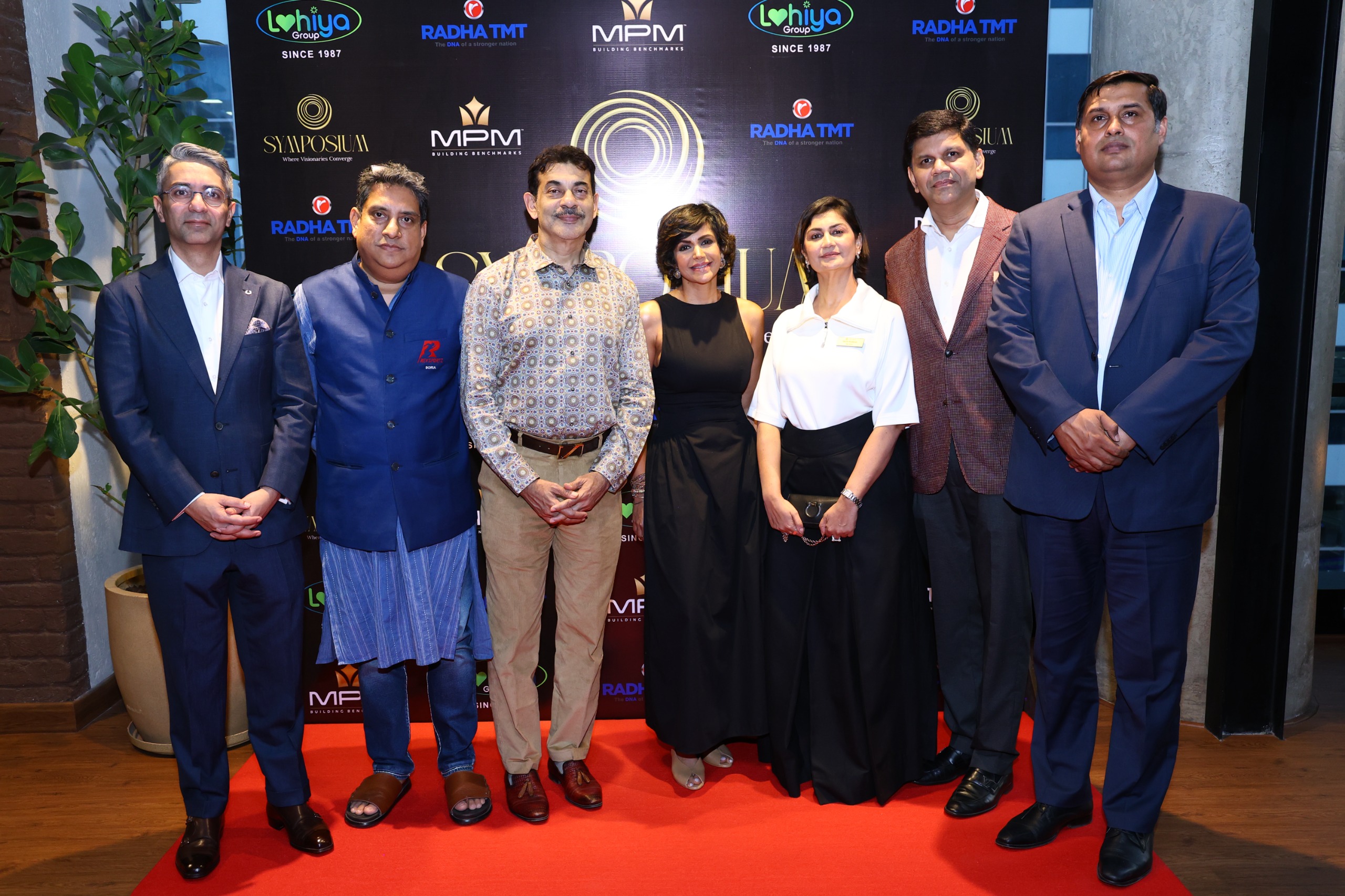
Founded by Mr Girish Mallpani and co-founded by Sri Jayesh Ranjan IAS, Symposium is envisioned as a recurring intellectual forum where leaders from government, business, academia, and public life engage in meaningful cross-domain dialogue on issues shaping India’s future.
The session featured an accomplished panel comprising: Abhinav Bindra — India’s first individual Olympic gold medallist and founder of the Abhinav Bindra Foundation; Col Nachhatar Singh Johal — CEO, Target Olympic Podium Scheme (TOPS), Sports Authority of India; Boria Majumdar — noted sports historian, author, and journalist and Mandira Bedi — actor, presenter, and advocate for sports and fitness
The discussion was moderated by Sri Jayesh Ranjan IAS, Special Chief Secretary, Government of Telangana, and co-founder of Symposium.
The evening explored what it truly takes to build world-class sporting ecosystems in India — from grassroots development and policy frameworks to institutional support, infrastructure, private investment, sports science, athlete welfare, and the growing business of sport.
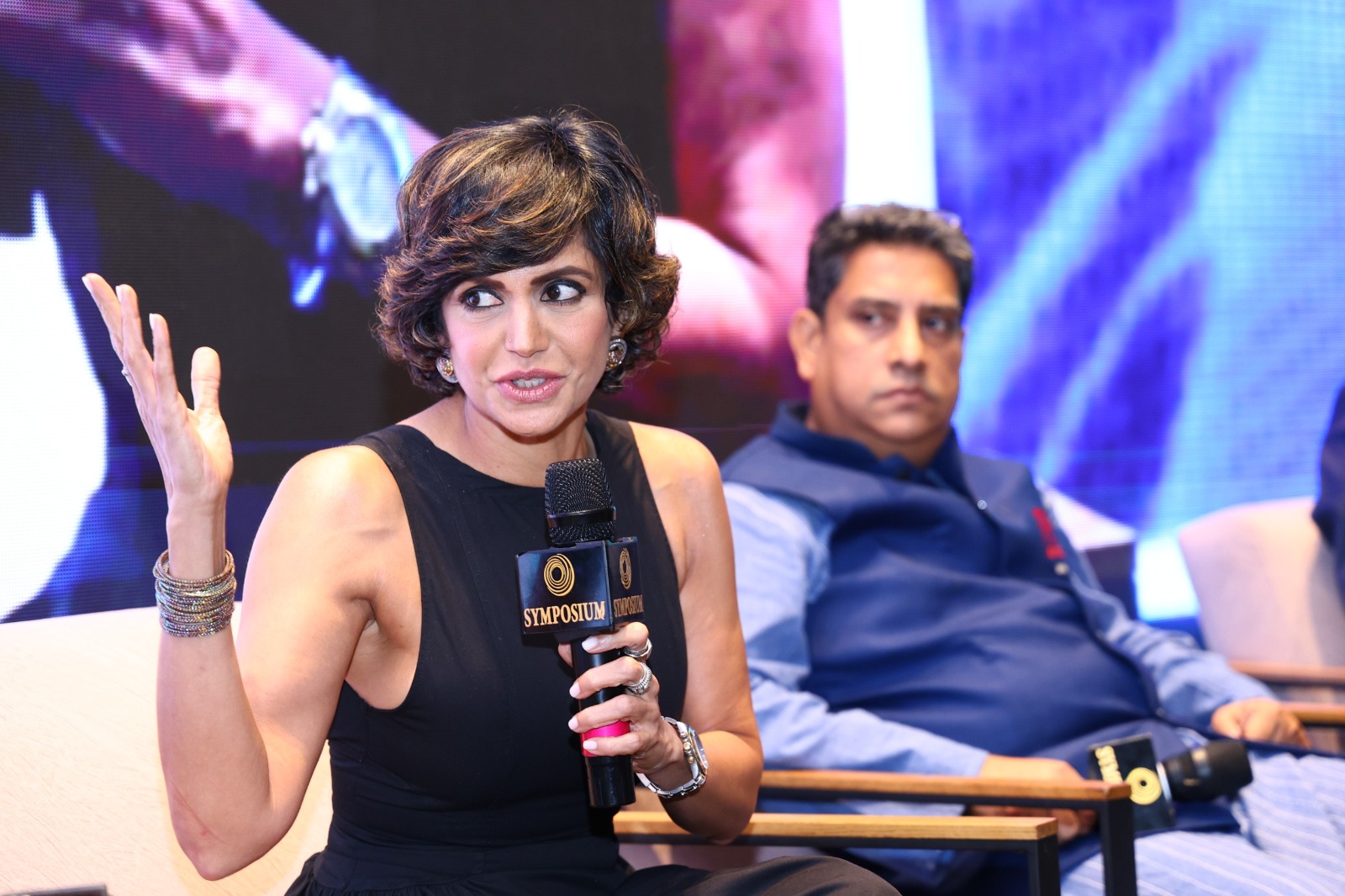
Addressing the audience, Sri Jayesh Ranjan IAS highlighted Telangana’s progressive approach toward sports development, stressing the importance of allowing experts to lead athlete training, talent identification, and career planning, while governments focus on enabling infrastructure and long-term support systems.
He noted that this forward-looking model is already helping athletes prepare for life beyond their competitive years, addressing one of the most critical gaps in the sports ecosystem. He also observed that India’s sporting landscape is rapidly evolving, breaking traditional barriers of gender and access, with both government and media playing transformative roles in shaping the country’s sporting culture.
In a significant announcement during the session, Sri Jayesh Ranjan revealed that the first honorary doctorate to be conferred by the proposed Telangana Sports University would be awarded to Abhinav Bindra.

Referring to an earlier moment during the event when the emcee mistakenly addressed Bindra as “Doctor,” he remarked: “We will soon make that a reality.” He announced that whenever the first convocation of the Telangana Sports University is held, he will confer the first Honorary doctorate of Telangana Sports University on Abhinav Bindra” — Jayesh Ranjan.
Speaking about India’s Olympic ambitions, he highlighted the role of the Target Olympic Podium Scheme (TOPS), launched by the Ministry of Youth Affairs and Sports in 2014 to identify, support, and prepare India’s top athletes for Olympic and Paralympic competition.
Drawing parallels with cricket’s transformation through the IPL, he noted that the league had created a massive sports economy and professional ecosystem involving hundreds of specialists behind every franchise.
“The IPL transformed the way cricket is played and consumed. Each IPL team today functions like a large professional organisation with hundreds of people working behind the scenes. The important question now is: how do we build similar ecosystems for every other sport in the country?” he said.
Abhinav Bindra shared insights from his journey in elite sport and high-performance systems, emphasising that sport teaches lessons far beyond medals and victories.
“Sports have taught me how to respect myself,” Bindra said. Encouraging greater participation in sport across India, especially among rural youth and children, he stressed the importance of discipline, resilience, and sports as a way of life.
“The next decade will be the decade of sports. We must build sport from the grassroots. Ever since shooting began being introduced at the school level, more young people have started taking up the sport. Significant investments are now being made in sports infrastructure and athlete development,” he added.
Col Nachhatar Singh Johal reflected on India’s Olympic preparation strategy and the importance of structured talent pathways, institutional planning, and long-term investment in athlete development.
In one of the evening’s most candid observations, he remarked: “If sports are not doing well in this country, the primary culprits are the sports federations.”
Sports historian and journalist Boria Majumdar spoke about the importance of storytelling, media visibility, and commercial structures in shaping sporting culture in India.
Highlighting the challenges faced by women’s cricket, he acknowledged Mandira Bedi’s contribution in helping popularise the women’s game.
“Men’s cricket has been marketed exceptionally well. What many people consume today is not just cricket, but the spectacle around it. If audiences truly loved cricket equally across formats, women’s cricket would already be as commercially successful as the IPL,” he observed.
Mandira Bedi highlighted the remarkable rise of women’s sport in India, recalling how audiences had evolved from sparse stadium attendance to massive national and global viewership. She credited media coverage and sporting spectacles for creating visibility, aspiration, and wider recognition for athletes and women’s participation in sport.
Adding broader perspective to the conversation, Boria Majumdar also reflected on India’s sporting journey and the shift from celebrating isolated champions to building a more sustainable and interconnected sporting ecosystem.
In his opening remarks, Mr Girish Mallpani, Founder of Symposium and CMD of MPM Group, pointed to the meteoric rise of the Indian sports economy as evidence of the sector’s growing significance.
Referring to the dramatic rise in IPL franchise valuations — from approximately ₹400–500 crore in 2008 to well over ₹15,000 crore today — he noted that the sports ecosystem now creates value not only for athletes, but also for coaches, broadcasters, institutions, investors, sponsors, and the wider economy.
The event witnessed participation from senior bureaucrats, industry leaders, entrepreneurs, academicians, investors, policy thinkers, and members of Hyderabad’s leadership community, reinforcing Symposium’s vision of creating a high-trust platform for informed and meaningful dialogue.
Commenting on the success of the session, Mr Girish Mallpani said:
“Symposium was created with the belief that some of the most important ideas emerge when leaders from different disciplines come together in genuine conversation. This session reflected the kind of thoughtful exchange we hope to build consistently — conversations that are relevant, future-facing, and rooted in collective progress.”
Sri Jayesh Ranjan, IAS added: “India’s sporting ambitions today go far beyond medals. They are connected to policy, infrastructure, economics, youth development, and national identity. Forums like Symposium create the space for interdisciplinary thinking that is essential to shaping long-term outcomes.”
Conceived as an invitation-led platform for intellectual exchange, Symposium aims to cultivate a community committed to lifelong learning, informed leadership, and meaningful engagement across disciplines. Through curated sessions throughout the year, the forum seeks to examine themes at the intersection of policy, business, culture, technology, economy, and society.
The successful conclusion of its second session further establishes Symposium as a promising forum for serious conversation and collaborative thinking among India’s emerging and established leadership voices.
