Observed on March 20 each year, Pakhala Dibasa has grown from a simple culinary tradition into a vibrant cultural celebration for Odias across the globe. What was once a humble summer meal is now a symbol of identity, heritage, and community bonding.
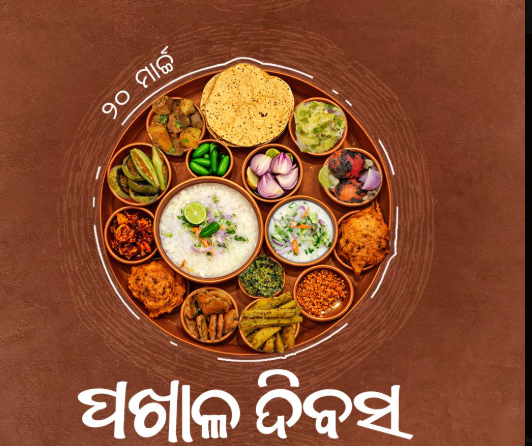
Pic Credit:https://x.com/MohanMOdisha
Pakhala—fermented rice soaked in water and often mixed with curd—is cherished for its cooling properties and probiotic benefits, making it ideal for the hot summer months. Beyond its nutritional value, it represents a way of life deeply rooted in Odisha’s traditions.
This year, the scale of celebrations has expanded significantly. Leading hospitality brands such as Nimantran, Mayfair, and Swosti Premium are offering elaborate “Gourmet Pakhala Thalis,” some featuring up to 20 traditional side dishes. These curated spreads are drawing food lovers and tourists, giving the traditional dish a modern and luxurious presentation.
What truly stands out is the global participation. With millions of households and members of the Odia diaspora across more than 20 countries observing the day, Pakhala Dibasa has evolved into an unofficial “national day” for Odias worldwide. As temperatures rise, people come together over a bowl of pakhala, celebrating not just food but shared heritage and collective memory.
The festivities also include cultural events such as the two-day Pakhala Paraba held at Panthanivas, where Odisha’s culinary richness is showcased alongside discussions on sustainability and traditional food practices. The event was inaugurated by Deepankar Mohapatra and will be attended by key leaders including Chief Minister Mohan Charan Majhi and Deputy Chief Minister Pravati Parida.
A major highlight this year is the state’s attempt to set a Guinness World Records benchmark by preparing the largest serving of pakhala—estimated at 800–850 kg. Organised in collaboration with the Robin Hood Army, the initiative emphasizes sustainability and a zero-waste approach.
Meanwhile, Cuttack is hosting vibrant community celebrations at Barabati Fort, bringing people together from midnight through the afternoon. Local leaders, including Subhash Singh, have highlighted how pakhala has evolved from a modest household dish to one that is widely appreciated for both its health benefits and cultural significance.
In my own home, the preparation of pakhala remains a cherished ritual. Cooked rice is cooled and soaked in water, often with a touch of curd, allowing it to ferment slightly and develop its signature tang. For lunch, it is served with a variety of traditional sides such as aloo bharta, saga bhaja, badichura, and roasted dishes like baigana poda and bilati poda. Sometimes, crispy sukhua bhaja is added for an extra burst of flavor, along with simple accompaniments like green chilies and onions.
More than just a meal, Pakhala Dibasa is a reminder of Odisha’s rich food heritage and sustainable eating practices. Whether enjoyed at home, in restaurants, or at community gatherings, a bowl of pakhala continues to unite people—offering comfort, nourishment, and a deep connection to cultural roots.
