May 16 : Hartek Foundation, the CSR arm of the Hartek Group, impacted over 20,000 lives across Punjab during FY 2025–26, guided by its mission of “Power to Serve.” Aligned with the United Nations Sustainable Development Goals (SDGs), the Foundation continued to drive meaningful social change through strategic collaborations with government institutions, focusing on advancing data-driven governance, gender-responsive policing, youth engagement, disability inclusion, climate resilience, road safety, and sustainable rural transformation across Punjab.
During the year, Hartek Foundation supported over 9,770 individuals through flood relief and rehabilitation initiatives in Hoshiarpur, Gurdaspur, and Ferozepur. The Foundation provided essential supplies, hygiene kits, temporary shelters, solar lighting systems, and support for rebuilding 50 homes with electrical fittings, helping affected families restore safe living conditions.
With a focus on skill building, the Foundation conducted statewide training programmes for over 2,000 Punjab officials on gender sensitivity and mainstreaming women in policing, in collaboration with Punjab Police and J-PAL. Furthermore, it launched the SAAHAS Fellowship with the Punjab Road Safety and Traffic Wing and the ADAPT Fellowship with the DC Office (currently being piloted in Hoshiarpur) to strengthen data-driven governance and research at the state and district levels.
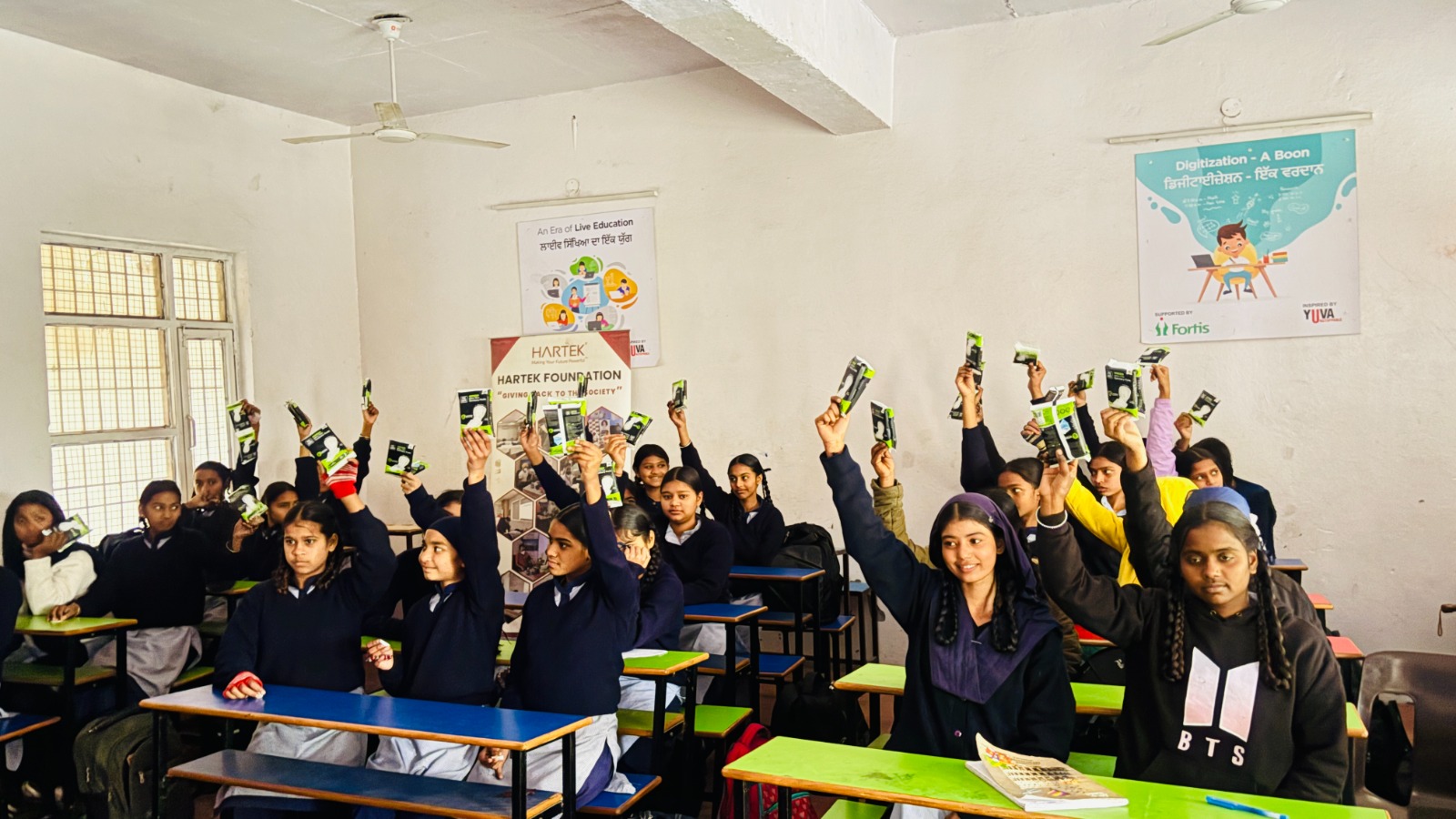
Under the flagship “Hartek Skill Lab” initiative, more than 4,000 students in government schools benefitted from STEM Labs equipped with over 160 educational models, along with safety awareness programmes, disaster preparedness sessions, and infrastructure support. These initiatives were launched to create long-term, sustainable impact by bridging the gap between theoretical and practical learning.
The Skill Lab initiative also empowered over 250 women and supported livelihood generation through skill-based entrepreneurship programmes, including tailoring, stitching, and the integration of Phulkari into corporate supply chains. Women associated with these initiatives earned an average monthly income of ₹27,000, fostering long-term financial independence and community resilience.
Speaking on the same, Harkirat Kaur, CEO, Hartek Foundation said,
“At Hartek Foundation, we believe sustainable social transformation begins at the grassroots level. Our initiatives are designed to create long-term impact by strengthening communities through education, healthcare, livelihood generation, and inclusive development. Over the past year, we have focused on building resilient ecosystems that empower individuals, especially women and youth, to become agents of change within their communities. As we move forward, we remain committed to expanding our outreach and creating scalable, sustainable solutions that contribute meaningfully to nation-building.”
The Foundation further strengthened its rural development programme through healthcare outreach initiatives in rural Punjab by conducting preventive health camps, screenings, and blood donation drives, benefitting over 850 patients. This included women-centric healthcare initiatives focused on menstrual hygiene, anaemia management, and breast cancer awareness. The initiatives also promoted Climate Action (SDG 13) through tree plantation drives, dustbin installations, and awareness campaigns across villages, benefitting over 2,500 individuals.