Nov 21: What if the familiar game of Snakes and Ladders, played for generations as a simple pastime, was actually a reflection of the journey of the human soul? Bringing this lesser-known philosophical connection to the stage, Vietnam-based Kathak artist, choreographer and cultural producer Anupama Jha, a disciple of Padma Shri Guru Dr. Shovana Narayan, will present Mokshapat – Purpose of the Soul at Kamani Auditorium, New Delhi, on Tuesday, 24 November 2026, at 7 PM. Following its successful international premiere at Ben Thanh Theatre, Ho Chi Minh City, Vietnam, before an audience of over 850, the production now comes to India with its exploration of life's choices, human experiences and the path towards inner awakening.
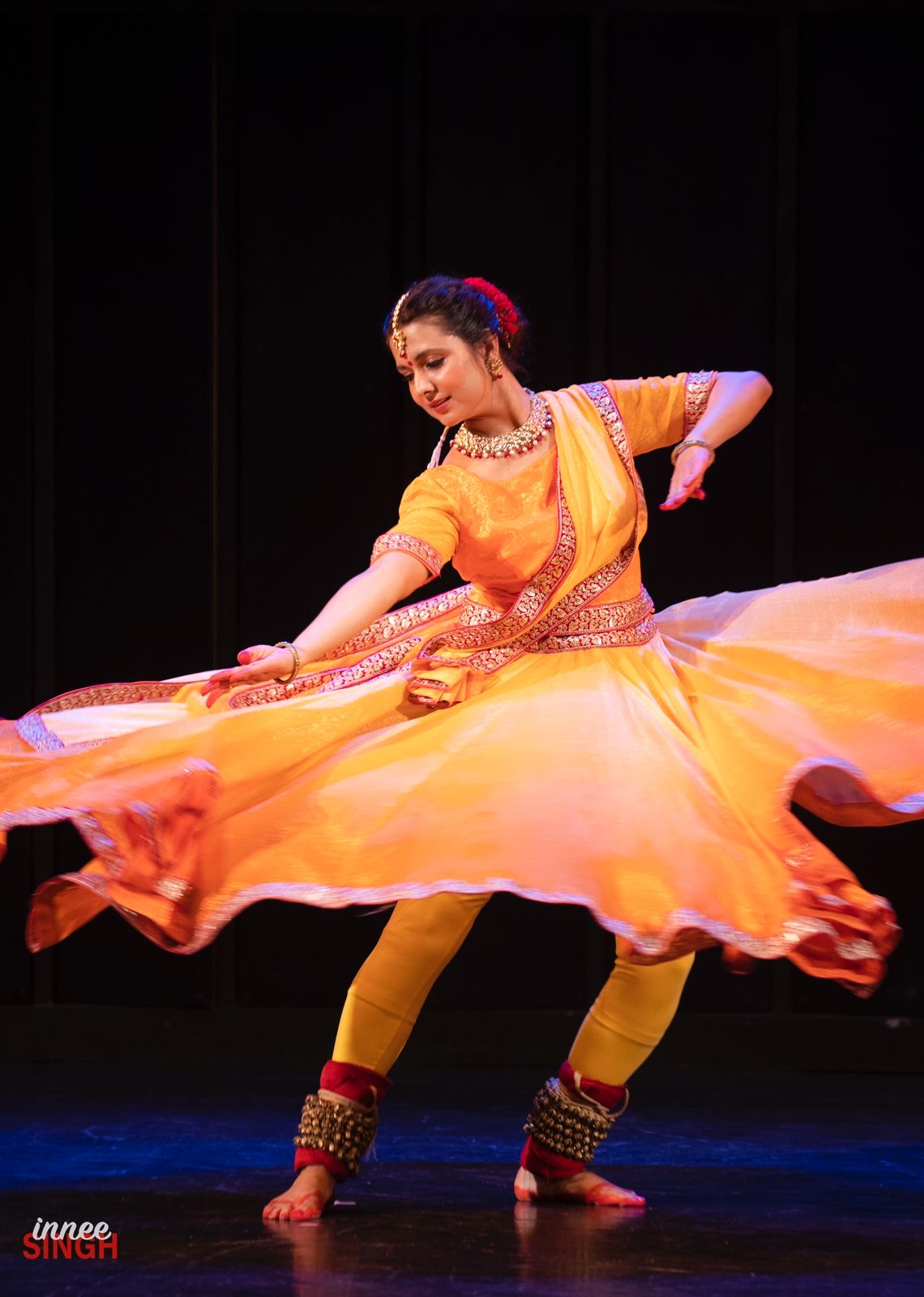
Long before Snakes and Ladders became a household game, Moksha Patam used the imagery of ladders and snakes to represent the moral and spiritual choices shaping human life. Ladders symbolised virtues, wisdom and progress towards liberation, while snakes represented anger, greed, ego and attachment. The ultimate destination was moksha — freedom from worldly attachments and desires. Mokshapat revisits this metaphor through the philosophy of Prasada Buddhi, an attitude of accepting life's outcomes with equanimity and gratitude. It invites audiences to consider that life happens for us, not against us, and that what we perceive as positive or negative is often shaped by our emotions, expectations and attachments. Every rise and fall can become an opportunity for learning, awareness and transformation.
Conceptualised, choreographed and performed by Anupama Jha, the production features Praveen Parihar as co-performer, with vocals and music direction by Sami Ullah Khan. The musical ensemble includes Yogesh Gangani on tabla, Salman on pakhawaj, Kishan Kathak on sitar, Atul Shankar on flute and Amir Khan on sarangi. Innee Singh is responsible for video and photography, Milind Srivastava for lights and sound, while Sadhana Srivastava will compere the evening.
At a time when material pursuits, constant distractions and everyday pressures often distance people from introspection, the production brings ancient Indian wisdom into a contemporary conversation about conscious living, emotional awareness and inner fulfilment. It questions whether success and failure are merely external circumstances, or whether their deeper meaning lies in how we perceive and respond to them.
Speaking about the philosophy behind the production, Anupama Jha says:
"We spend our lives climbing ladders of ambition and achievement, often without recognising the patterns that bring us back to where we began. But what if every experience, whether joyful or painful, has something to teach us? I believe life is happening for us, not against us. Through Mokshapat, I wanted to explore how our emotions, expectations and attachments shape our experiences, and how acceptance can lead to greater awareness. My purpose is not simply to present a beautiful performance, but to help audiences recognise something of their own lives on stage — their relationships, struggles, choices and moments of awakening. If art can help even one person reconnect with their purpose, it has fulfilled a role far greater than entertainment."
Rooted in Kathak, Mokshapat uses the expressive vocabulary of classical dance to translate this philosophical journey into a theatrical experience. Through movement, abhinaya, live music and storytelling, the production explores the relationship between the physical and the spiritual, inviting audiences to reflect on karma, human emotions and the possibility of finding freedom through a transformation in perception.
Through Mokshapat – Purpose of the Soul, Anupama Jha brings the ancient wisdom of Moksha Patam into a contemporary performance space, reminding audiences that life's journey is not merely about avoiding the snakes or climbing the ladders, but about recognising the lessons within every experience and learning to move beyond attachment towards self-realisation.